
Somatic tools and body-based approaches for mental health professionals
Professional training in somatic tools and nervous-system-informed practice for therapists, counsellors, social workers, and mental health practitioners. Develop practical body-based approaches to support regulation, emotional processing, and embodied awareness in your clinical work.
Support that goes beyond listening
Mental health care often happens through conversation, reflection, attunement and meaning-making. But regulation, stress, emotion, and overwhelm are also lived in the body and shaped by the nervous system.
These offerings are designed for mental health professionals who want practical ways to explore that reality and integrate body-based support into therapeutic work with greater clarity and care.
This is about expanding how care is understood and supported.
Ways we can work together
Current offerings are designed to help mental health professionals explore how embodied awareness, breath, and nervous system support can be integrated thoughtfully into practice.
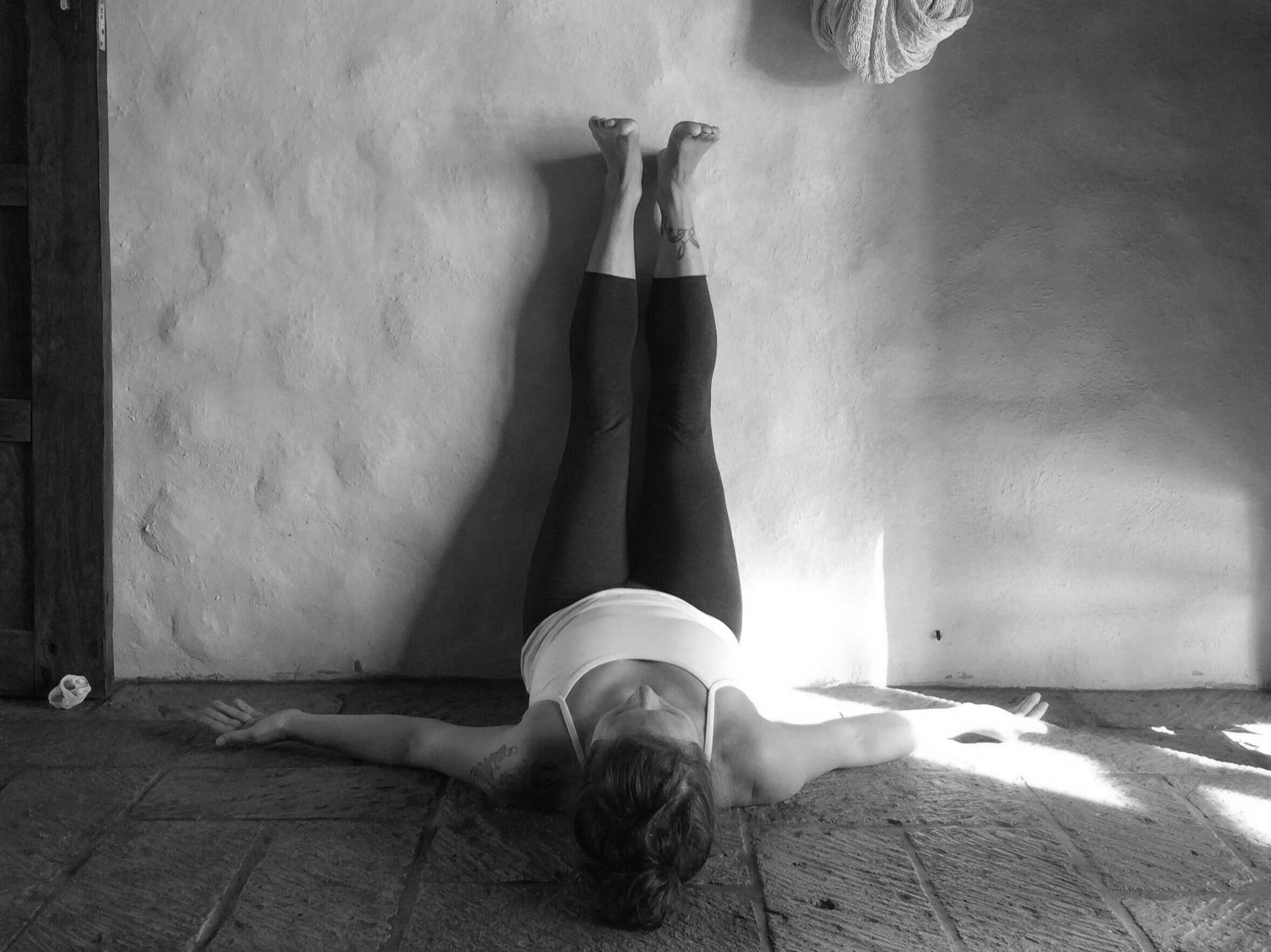
PROFESSIONAL TRAINING
Structured learning for mental health professionals who want to deepen their understanding of embodied awareness, nervous system regulation, and the role of the body in therapeutic work.
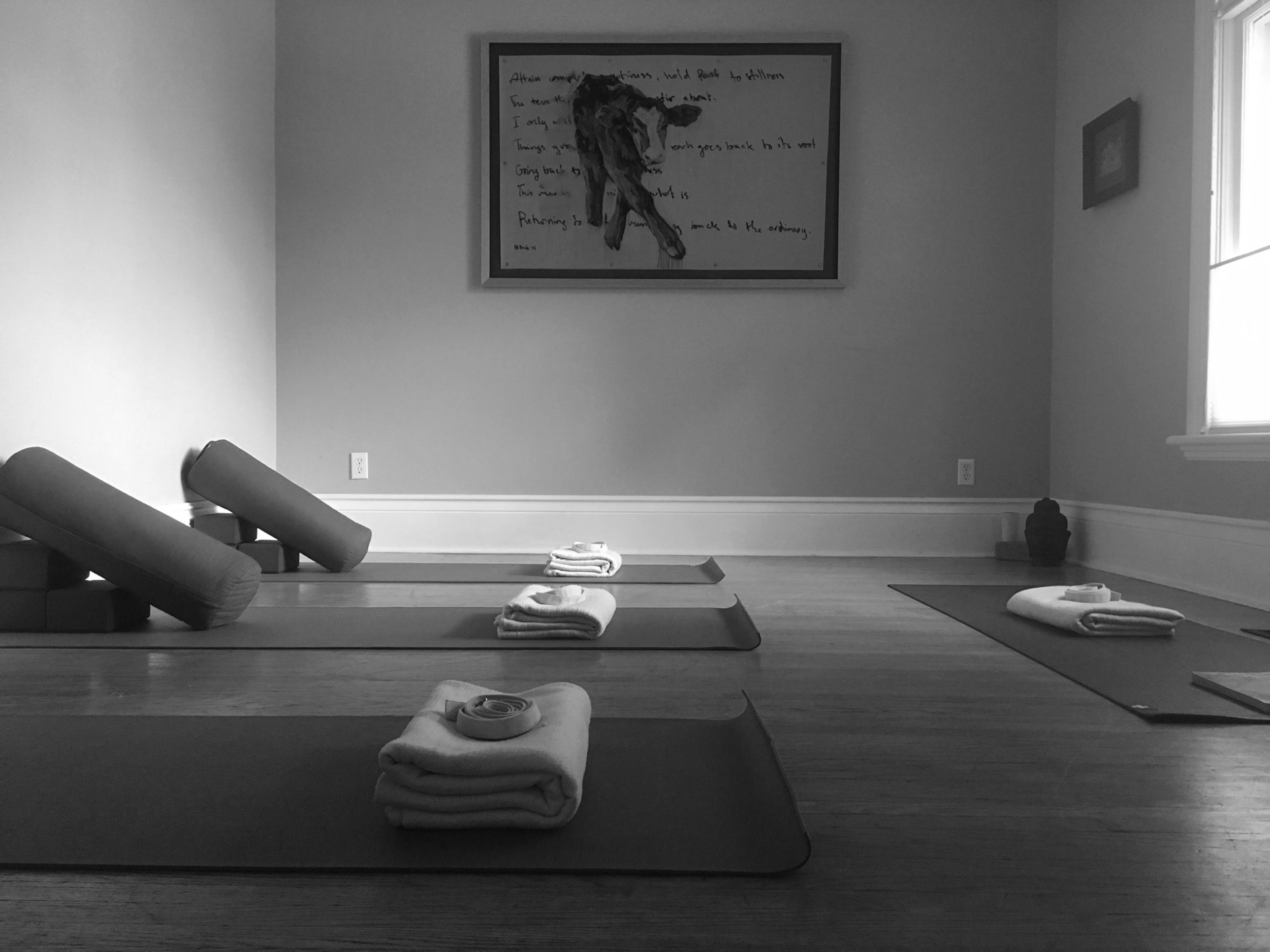
WORKSHOPS
Focused learning experiences that explore topics such as regulation, breath, embodied awareness, and emotional processing through a nervous-system-informed lens.

CONSULTATION
For mental health professionals who want one-to-one mentorship in integrating body-based practices into their clinical practice while respecting their scope of practice.
Not sure where to begin?
Each offering supports professional learning in a different way. The best fit depends on the depth, structure, and level of support you are looking for.
CHOOSE A TRAINING IF

You want a more comprehensive learning experience and are looking to deepen your understanding of nervous-system-informed, body-based support.
CHOOSE A WORKSHOP IF
You want to explore a specific topic, engage with a focused area of learning, or begin with a shorter format.
CHOOSE CONSULTATION IF
You want a more individualized space to think through application, integration, or how this work fits within your existing clinical approach.
If you are unsure, a schedule a conversation with me where we can determine the most useful place to begin.
INQUIRE ABOUT TRAINING »
A grounded, body-based approach to professional care
This work is rooted in the understanding that regulation, emotional experience, and healing are not only a cognitive processes. They are shaped by the body, the breath, and the nervous system.
My approach helps mental health professionals deepen their understanding of embodied awareness and explore practical ways to support clients in building regulation and capacity. The focus is not on asking clinicians to become something else. It is on expanding how care is understood and supported.
What mental health professionals gain from somatic training

A STRONGER UNDERSTANDING OF THE NERVOUS SYSTEM

A DEEPER UNDERSTANDING OF THE CONNECTING BETWEEN BODY, BREATH AND EMOTIONS

GREATER CONFIDENCE USING BODY-BASED CONCEPTS IN THERAPEUTIC SETTINGS

PRACTICAL TOOLS FOR SUPPORTING AWARENESS AND CAPACITY

A MORE INTEGRATED APPROACH TO CLIENT CARE

STEADIER AND MORE NUANCED CLINICAL PRESENCE
Who is leading this work

I’m a yoga therapist and educator specializing in embodied nervous system education. My work sits at the intersection of yoga therapy, nervous system regulation, breathwork, restorative practice, and embodied awareness.
In addition to supporting individuals through healing-oriented work, I teach mental health professionals who want to better understand the role of the body in regulation, emotional processing, and care.
My approach is grounded, evidence-informed, and centered on practical application.
Learn more about my background and approach.
Some of the organizations I’ve worked with
My work has been shared in clinical, educational, and community settings focused on healing, mental health, and embodied practice.






Bring a more embodied understanding into your client work
Whether you are looking for a training, a workshop, or consultation around integration, these offerings are designed to support practical learning, thoughtful application, and grounded care.
CONTACT ME WITH QUESTIONS »
FAQ: Somatic tools for mental health professionals
-
Yes. These trainings are designed for mental health professionals who want to integrate body-based awareness and somatic tools into their existing practice without full somatic therapy certification. The focus is on practical, accessible approaches that complement clinical training and work within your scope of practice.
You don’t need to retrain or requalify to work more somatically with clients. These trainings offer an embodied understanding of nervous system regulation combined with rationale and practical tools — breathwork, interoceptive awareness, orienting exercises, embodied grounding — that you can integrate thoughtfully into the therapeutic work you already do.
-
These offerings are designed for therapists, counsellors, social workers, psychologists, and other mental health practitioners who want to deepen their understanding of nervous system regulation and explore practical somatic tools they can use with clients. No prior yoga or somatic training is required.
Whether you work in private practice, clinical settings, or community mental health, the core question these trainings address is the same: how does the body shape emotional experience, and how can that understanding inform better, more responsive care?
These offerings are designed to be relevant across modalities — whether you work primarily with CBT, ACT, EFT or any other approach, the principles of nervous system regulation and embodied awareness will translate to your client work.
-
Full somatic therapy certifications typically require 200 or more hours of training and authorise practitioners to work with deep somatic processes. These offerings focus on practical somatic tools and nervous system concepts that mental health professionals can integrate into their existing therapeutic approach with clarity and care.
This is not a path to becoming a somatic therapist. It is a path to becoming a more somatically informed clinician — one who understands the body and nervous system’s role in regulation, distress and emotional processing. And, one who can use simple, evidence-informed body-based tools to support clients more fully.
If you are interested in full somatic certification at a later point, this work builds a strong conceptual and experiential foundation to draw from.
-
Somatic tools such as breathwork, grounding exercises, and interoceptive awareness practices can complement most therapeutic modalities. These trainings address how to use body-based approaches responsibly within your existing scope, with attention to clinical judgment, trauma-informed principles, and client readiness.
A core principle of these trainings is understanding how these tools work within your existing practice and your client population. All practices consider your professional boundaries and scope of practice?
We explore how to introduce somatic tools thoughtfully, how to read and respond to client cues, and how to hold body-based work within a trauma-informed frame that respects the complexity of clinical practice.
-
Trainings cover the foundations of nervous system regulation, the body’s role in emotional processing, practical somatic tools including breathwork and embodied awareness, trauma-informed principles, and how to integrate body-based approaches into therapeutic settings with clinical relevance and care.
Core areas of focus include nervous system foundations — understanding regulation, dysregulation, and the window of tolerance. Practical somatic tools: breath regulation, interoceptive awareness, grounding and orienting exercises, and simple embodied practices suitable for therapeutic settings.
We explore how to introduce somatic work safely with clients with complex histories, and how to weave these tools into your existing clinical approach.
-
Professional offerings include structured training programmes for deeper learning, focused workshops on specific topics such as nervous system regulation or breathwork, and individual consultation for practitioners who want support thinking through how somatic tools fit within their specific clinical context and approach.
Trainings suit practitioners who want a comprehensive learning experience building a grounded foundation in nervous system regulation and somatic tools. Workshops are ideal for exploring a specific topic or beginning with a shorter format before committing to a longer programme.
Consultation is available for practitioners who want a more individualised space to think through application, scope, and integration. An inquiry conversation can help clarify which format suits your goals and current practice.
-
Reading polyvagal theory builds conceptual understanding. These trainings translate nervous system concepts into practical, embodied tools clinicians can use directly in session — including how to observe regulation cues, guide clients through simple somatic practices, and support emotional processing through the body, not only through conversation.
There is enormous value in understanding theories conceptually. But understanding the theory and knowing what to do in the room with a dysregulated client are different things.
These trainings are designed to close that gap. The focus is on experiential learning, practical tools, and clear clinical application — so that what you learn translates directly into your understanding of the principles in our own body -rather than simply what you know.
-
Please inquire directly about current CEU accreditation for specific offerings. I am committed to ensuring these trainings are both practically relevant and professionally recognised where possible. Contact me to discuss your continuing education requirements and whether current offerings can meet them.