
When Calm Is the Wrong Goal — Hypoarousal and the Case for Up-Regulation in Therapy
Calming tools can deepen collapse. A yoga therapist's in-session protocol for hypoarousal — behavioural activation at the scale of a single posture.

Nervous System Dysregulation: Signs, Causes, and How Yoga Therapy Can Help
Nervous system dysregulation is when your body gets stuck in stress or shutdown and can't return to balance. Yoga therapist Katlin Robinson explains the signs, the causes, and how embodied practice helps.

Why You Can’t Sleep — and How Yoga Can Help
Poor sleep is often caused by a nervous system that cannot downshift from the stress response. Yoga supports better sleep by activating the parasympathetic nervous system through breath regulation, gentle movement, and practices like yoga nidra — a guided relaxation technique shown in research to reduce cortisol and improve sleep quality.
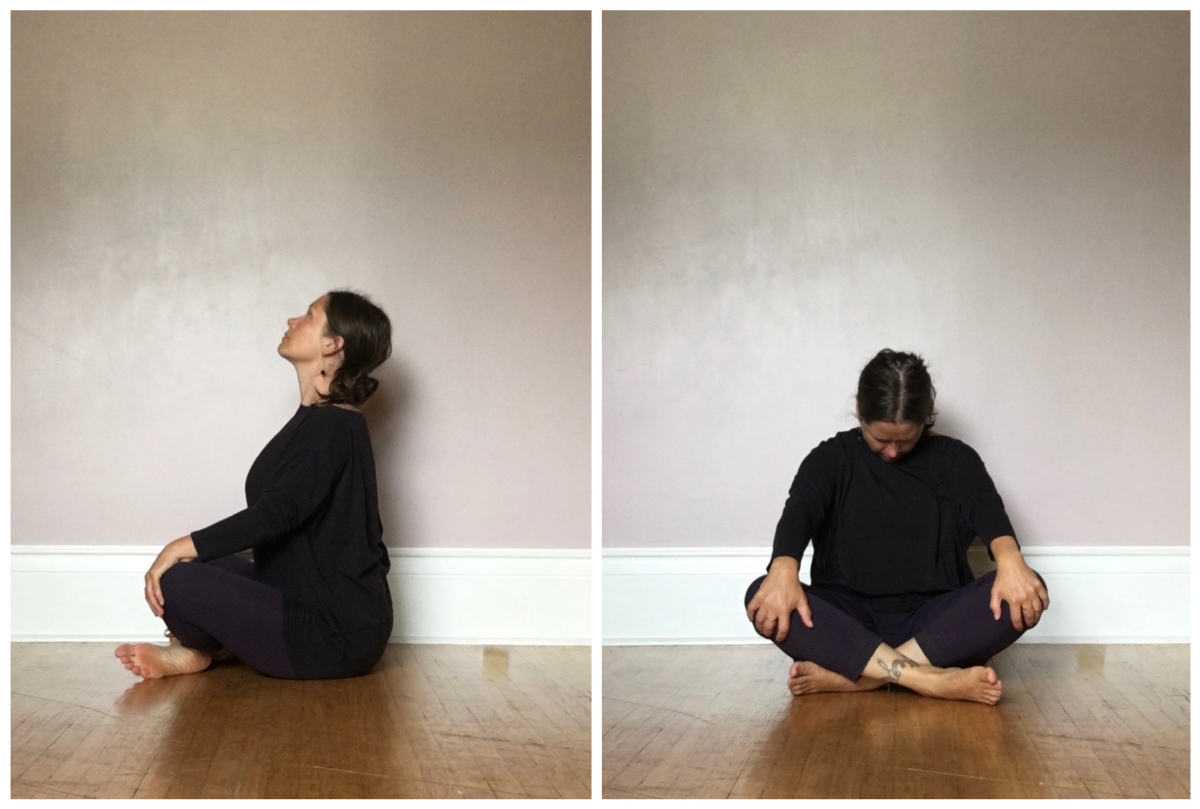
What Nervous System Regulation Actually Means — and 5 Yoga Practices That Support It
Nervous system regulation is the capacity of the autonomic nervous system to move flexibly between states of activation and rest — responding to stress when needed, then returning to balance. It is not a fixed state you achieve, but a capacity that develops gradually through practice, awareness, and repeated experience of safety in the body.
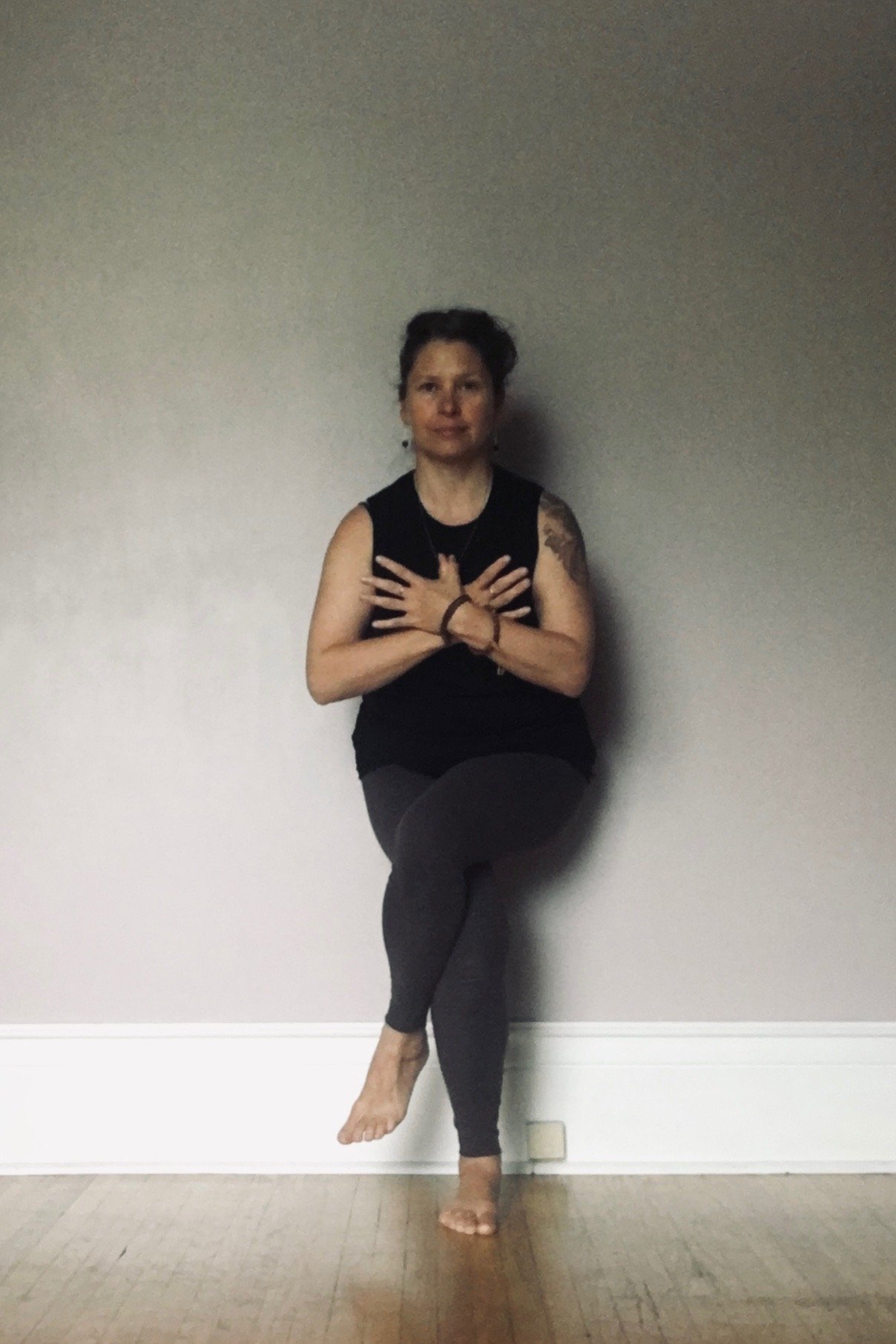
How Yoga Can Help Mental Health Care: A Body-Based Perspective
Yoga supports mental health care by directly influencing the autonomic nervous system — the system that regulates stress responses, emotional states, and our capacity to feel safe. Through breath, movement, and body awareness, yoga helps shift the nervous system out of chronic activation and toward a more regulated, balanced state. This makes it a meaningful complement to talk-based therapy, not a replacement for it.
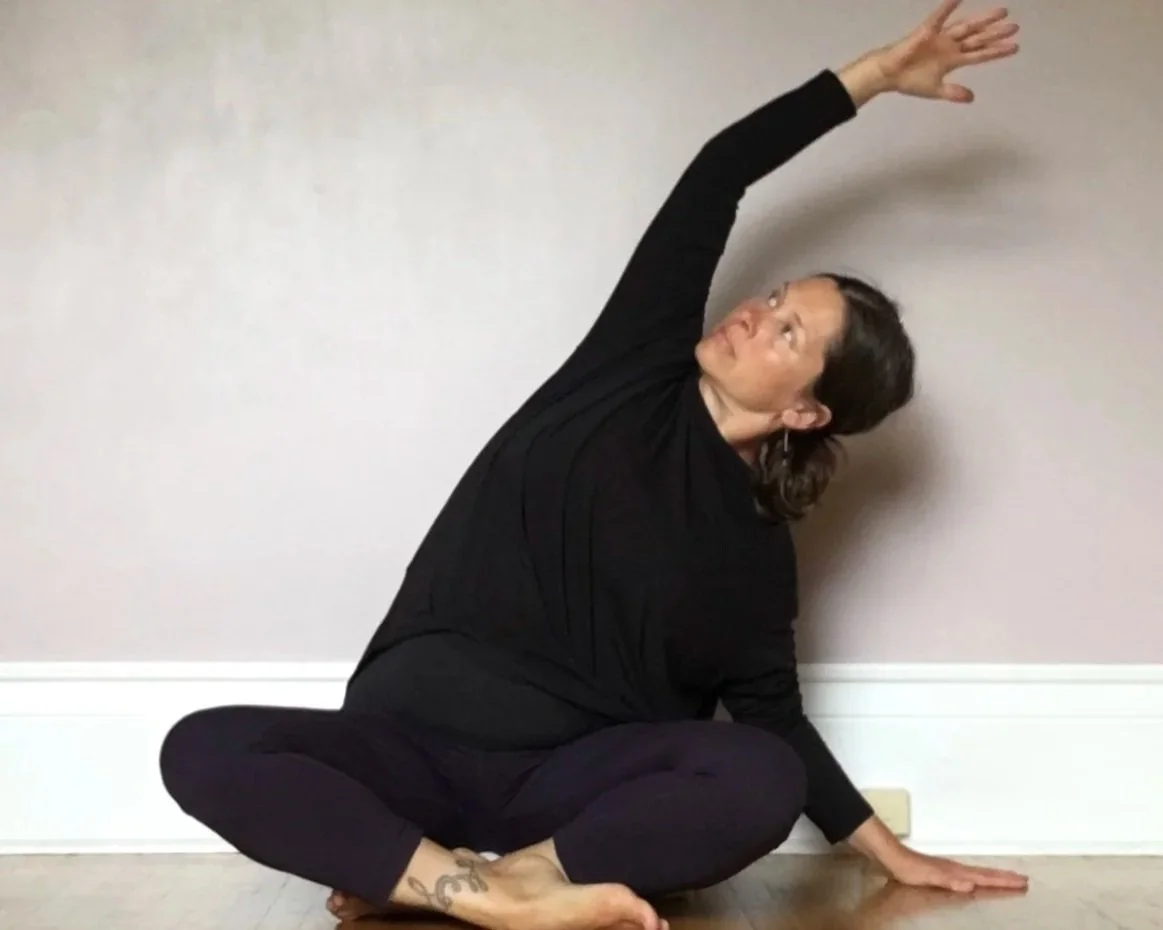
What Does Trauma Informed Yoga Mean? A Yoga Therapist Explains
Trauma-informed yoga is an approach to teaching and practice that recognizes how the nervous system is shaped by past experiences of stress, trauma, and emotional difficulty. It prioritizes safety, choice, and pacing over technique or achievement — ensuring that the classroom environment and the practices themselves support regulation rather than inadvertently triggering dysregulation.